ADHD School Reports: What Mine Said and What I Know Now
Reading My Old School Reports Made Me Quite Emotional
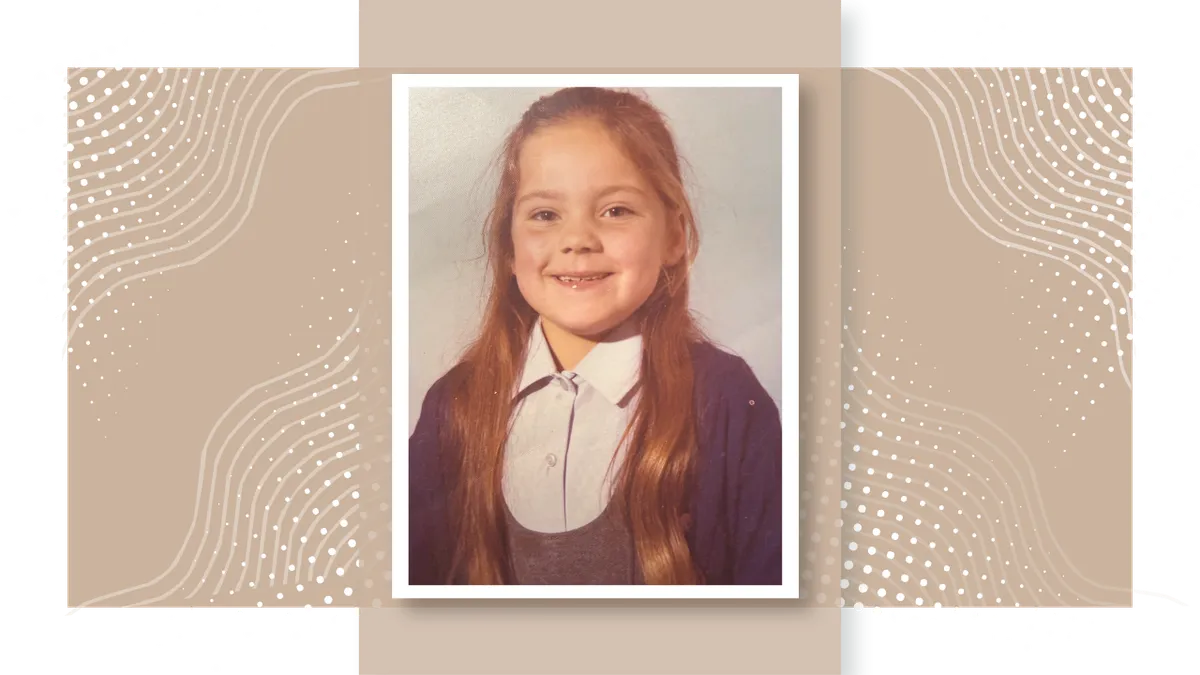
When I was assessed for ADHD, I was asked to provide my old school reports. I found them (surprisingly), and found myself getting quite emotional reading through my teachers comments.
“Clare must resist urge to chatter.” “Clare could try harder.” “Clare needs to focus.” “Clare is easily distracted.” “Takes too long to settle down.” “Not achieving potential.”
At school I always felt out of step. I had good friends, I was very sociable and I loved creative subjects, especially art. Maths was a different story. I found it difficult to keep up and I decided that I was simply inadequate.
What I believed about myself
That belief stayed with me long after I left school. I left with only a handful of qualifications, but I carried on with my education and worked hard in every job I had. I built a successful career in financial services and I’m really proud of that. But I think I spent most of my life trying to prove myself, which is probably why I took on so much and found it so hard to say no.
Working harder than anyone could see
From the outside, it looked as though I was coping. In the open-plan office where I worked, I’d get drawn into other people’s conversations, then stay late to catch up once it was quiet. The work got done, but it took far more time and effort than anyone realised.
I found it hard to prioritise and to judge how long something would take. I took on too much, felt overwhelmed trying to deliver it all, and couldn’t understand how I could be so capable at work and still find simple things so hard.
Recognising ADHD in myself
I first wondered about ADHD when my son was being assessed. We filled in a questionnaire together and I recognised myself in quite a few of the symptoms. As he was my priority, I put the thought to the back of my mind and carried on.
Eventually, anxiety and burnout meant I couldn’t carry on the way I had been. I followed up on my suspicion and was diagnosed in my fifties.
Looking back with compassion
At first I felt grief, for the little girl who thought there must be something wrong with her, and for my adult self and all the challenges I blamed myself for.
The came relief and validation. It was almost as though I’d found the missing piece of the jigsaw puzzle of my life.
My reports weren’t a diagnosis, just one small part of the puzzle that supported my assessment. But reading them with what I know now, I could see how much of what I’d been told, and what I’d told myself, was about trying harder, when I’d been trying my very best all along.
It didn't undo the difficult years
My diagnosis didn't make life easier, however it allowed me to realise the reason for my challenges rather than assuming something was wrong with me.
Staying late in that office showed how much I cared. It also showed that concentrating there was hard for me. Knowing both is far more useful than “I should try harder”.
Although I didn’t do well at school, I’ve certainly exceeded my teachers’ expectations.
When I was diagnosed, I wanted to learn all I could to support myself and reduce my levels of overwhelm, anxiety and burnout.
I was frustrated when I couldn’t find the practical, structured support I was looking for. Specifically taking the challenges women face in midlife, which is a big part of why I created the Female ADHD Network.
A small thing to try
If there’s a label you’ve carried for years, try picking one recent moment and describing exactly what happened.
For example, if you find yourself in a negative spiral because you can't start that task, which other people seem to be able to do with ease.
Stop blaming yourself and thinking there's something wrong with you and try reframing through a more compassionate informed ADHD lens instead.
For example: "I kept putting it off because I couldn’t work out where to start.”
I'd love to know: What did you grow up believing about yourself that you understand differently now? I’d love to hear in the comments.
If this sounds familiar, and you've reached midlife wondering why things that used to feel manageable suddenly don't, you're in the right place.
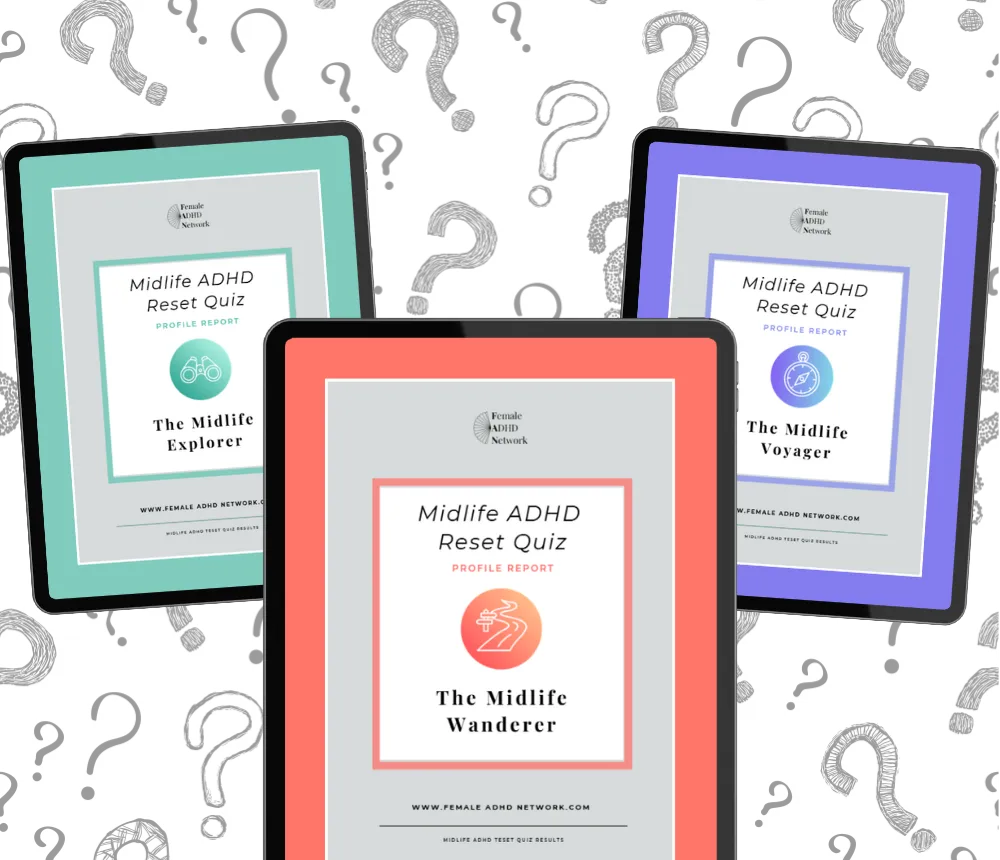
I created the Midlife ADHD Quiz to help women with ADHD make life a little easier, so they can finally start to feel more themselves again — without the brain fog, the never-ending to-do list or the constant overwhelm running the show.
You'll receive your own tailored interactive Midlife ADHD Profile Report that will help you to:
Understand what's been going on
Recognise how it shows up for you
Focus on one thing that could help
Leave with one manageable next step
[Start the Quiz → MIDLIFE ADHD PROFILE QUIZ]
Clare 💫
A gentle note: this post combines personal experience with general information about ADHD in midlife. It isn’t intended to diagnose or replace professional medical advice. If any of this resonates with you, a conversation with your GP could be a helpful first step.