ADHD, Menopause or Both? Preparing to talk to your GP
Have you reached midlife feeling as though your brain has suddenly stopped cooperating? Wondering if it could be ADHD? This week's blog is for you.
Perhaps you’re forgetting things you wouldn’t normally forget, struggling to concentrate or finding yourself increasingly overwhelmed by things you’ve been managing for years. You’re trying to keep on top of everything — work, children, finances, the house, ageing parents and the never-ending to-do list — but somehow you just can’t seem to catch up.
And then there’s the brain fog. You walk into a room and forget why you’re there, lose your train of thought halfway through a conversation or spend ages trying to get started on something that should only take a few minutes.
You might put it down to menopause, stress or simply having too much on your plate. But what if ADHD is also part of the picture? If you’re wondering whether to speak to your GP, I want to share what happened to me — and some practical information I wish I’d had at the time.
Key Takeaways 🗝️
ADHD and menopause can involve overlapping difficulties with concentration, memory, sleep and emotions.
You don’t need to know whether it’s ADHD, menopause, both or something else before asking for help.
Prepare a few examples of what’s happening now, how it affects you and whether similar difficulties go back to childhood.
In England, you may be able to choose an NHS-funded ADHD assessment provider through Right to Choose, if a referral is clinically appropriate and the provider qualifies.
It’s OK to ask questions, request a follow-up and seek another opinion if your concerns haven’t been properly explored.
You'll find links to trusted sources and useful resources at the end of this blog.
When I First Raised ADHD With My GP
My own ADHD journey began when my son was being assessed. As we worked through his questionnaire, I recognised many of the difficulties in myself. But like so many mums, I put my own needs aside. My son was the priority, and life carried on.
On the outside, I had a successful career, a family to look after and appeared to be managing everything. Behind the scenes, I was constantly overwhelmed, struggling with procrastination, time management and taking on far too much. As I moved through perimenopause, my anxiety worsened until I eventually reached burnout and could barely function.
When I first mentioned ADHD to my GP in 2019, I was told something along the lines of:
“I doubt it’s ADHD. You’re successful, you’ve got a good career, you’re doing really well in life. And even if it were, what good would it do to find out now, at this stage of your life?”
I was prescribed antidepressants for my anxiety, which helped for a while, but I knew there was something more going on. The irony was that I looked successful on the outside, but behind the scenes I was struggling to hold everything together.
I eventually contacted the ADHD Foundation and received a formal ADHD diagnosis at 52. As part of my assessment, I was asked for old school reports. Reading comments such as “Clare must resist the urge to chatter”, “easily distracted and lacks focus” and “not achieving potential” was incredibly emotional. I wrote more about those reports in my 8 October blog >> ADHD School Reports: What Mine Said and What I Know Now
The biggest revelation was understanding those comments differently. As a child I’d blamed myself. Now I could see that my ADHD hadn’t suddenly appeared in midlife. I’d been living with it all along — I just hadn’t realised it.
Why ADHD Feels Harder In Midlife
ADHD doesn’t suddenly appear in midlife. For years, you may have managed by working harder, staying busy, over-preparing or developing your own ways of keeping everything together.
But midlife can change the picture considerably. Hormonal fluctuations during perimenopause can affect concentration, memory, sleep and emotional regulation. At the same time, you might be juggling work, ageing parents, children who still need you, changing relationships and questions about what comes next. Suddenly, the demands of everyday life can exceed your capacity to manage them in the ways you always have.
That’s certainly how it felt for me. I honestly thought I was going crazy. It felt as though the ground was shifting beneath my feet. I wondered whether it was menopause, hormones or the dreaded brain fog. But deep down, I knew there was something more going on.
Research from King’s College London found that, among 656 women aged 45 to 60, those reporting more ADHD traits also tended to report more menopausal difficulties, particularly with memory and concentration. This shows an association, not that one causes the other.
Where Do You Start If You Suspect ADHD?
Things have moved on since I first raised ADHD with my GP. There's more information available now, and in England there may be more than one NHS route to an ADHD assessment.
1. Learn a little about ADHD
Reading about how ADHD can show up in adult women may help you recognise patterns and find the words to describe them. You could also try an adult ADHD self-screening questionnaire, such as the one linked below. It can help you organise your thoughts, but a score isn’t a diagnosis — and you don’t need a positive screening result to ask your GP for help.
2. Prepare for the GP conversation
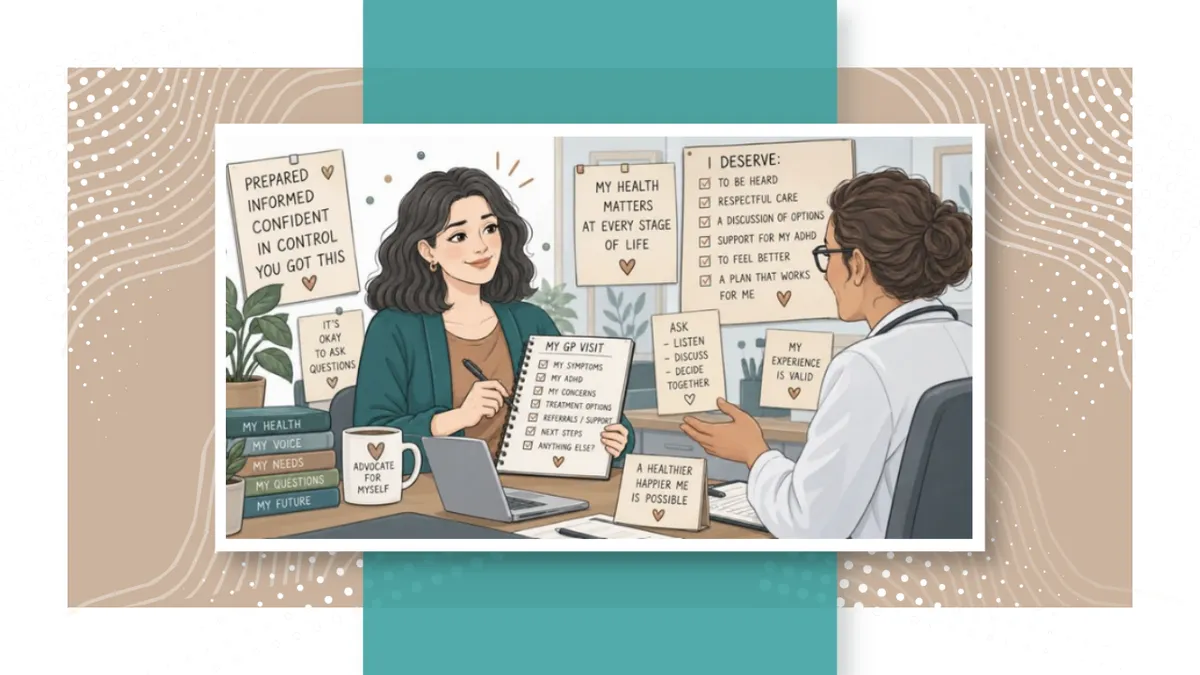
Make a few notes beforehand, especially if brain fog means everything disappears from your head the moment you sit down! Describe what’s happening now, when you first noticed it, whether similar difficulties were there in childhood and how it affects your work, relationships and everyday life.
You might find yourself saying, “I just can’t cope anymore. Everything’s getting on top of me,” or “I’m exhausted from trying to keep everything together, but I never seem to catch up.” Those are useful things to tell your GP. Mention sleep, mood, anxiety, physical symptoms and changes around perimenopause too. This doesn’t have to be an “ADHD or not” conversation.
If you’re unsure how to begin, try: “I’m struggling with memory, concentration and overwhelm, and it’s become harder during perimenopause. I think some of these difficulties have been there for years. Could we look at what might be contributing and whether an ADHD assessment would be appropriate?”
3. Ask what happens next — and about your referral options
A good outcome isn’t necessarily walking out with an ADHD referral.
It’s feeling heard, having your concerns considered and understanding the plan. Your GP might discuss menopause symptoms, check for other causes, offer support or follow-up, and consider referring you for an ADHD assessment.
A formal ADHD diagnosis is made by an appropriately trained specialist, not by a screening questionnaire alone.
If an assessment is appropriate, and you live in England, there are three main options for referral.
The NHS, however wait lists are notoriously long depending on your location.
In England, eligible NHS patients have a legal right to choose certain providers for their first outpatient appointment, including some ADHD assessment services. This is known as NHS Right to Choose.
The provider must meet NHS requirements, and your GP will need to consider whether a referral is clinically appropriate. Not every private ADHD provider offers NHS-funded assessments through this route.
A private assessment is another option, but you'll usually need to fund it yourself. Before booking, check the full costs, including any follow-up appointments, treatment and prescriptions. A private diagnosis doesn't automatically mean your GP will agree to prescribe ADHD medication.
One important question before choosing a provider: “If I’m diagnosed, what happens about follow-up care and medication, if I need it?”
Not every provider offers the same aftercare, and a GP agreeing to take over prescribing under a shared-care arrangement is not automatic. It’s worth understanding this before you choose.
You don’t have to decide everything in one appointment. If you need more time, ask for a follow-up.
Don’t Be Afraid To Self-Advocate
One thing I’ve learned from my own experience is that it’s OK to question things, ask for explanations and advocate for yourself. Your GP is there to help, but that doesn’t mean you can’t ask why a referral isn’t considered appropriate or what else could explain what you’re experiencing.
You might say: “Could you explain what else might be causing these difficulties?” or “If you don’t think ADHD is likely, what would you recommend we explore next?” If you still feel unheard, you can ask for a follow-up with another GP or seek another clinical opinion. You can also ask the practice about its complaints process, or get independent advice about your NHS choices.
Remember, ADHD, anxiety, depression and menopause aren’t necessarily mutually exclusive. Just because you’ve received treatment for one doesn’t mean something else can’t be contributing.
The aim isn’t to convince your GP that you have ADHD. It’s to make sure your concerns are heard, properly explored and that you get the support you need.
Final Thoughts
My diagnosis didn’t change what had happened, but it helped me understand why certain things had always felt so difficult. And that understanding made an enormous difference.
If you recognise yourself in some of what I’ve shared, perhaps your next step is simply to write down what you’ve noticed and book that appointment. You don’t need to have all the answers before asking for help.
I’d love to know: did you first start questioning ADHD in midlife, or had you suspected it for years? Let me know in the comments.
Clare 💫
A gentle note: this article combines personal experience with general information. It isn’t a diagnostic tool or a substitute for professional medical advice. Referral routes and provider arrangements can change; check current NHS guidance and speak to your GP about your circumstances.
About Clare
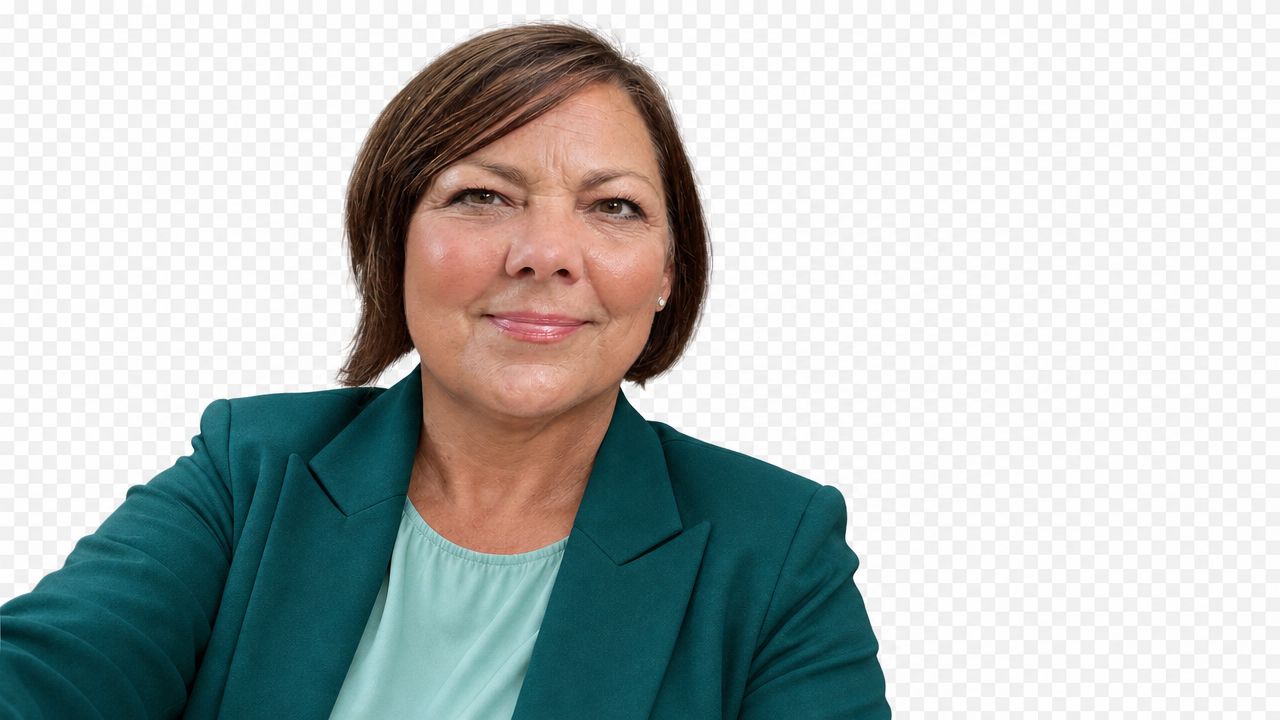
Certified ADHD Coach · Former Service Management Consultant · ADHD Awareness Ambassador · Fellow ADHDer, diagnosed in my 50s
I know what it's like to spend decades wondering why everything felt that little bit harder. To be the capable, organised-looking woman who was quietly falling apart. To finally get an answer — and feel both enormous relief and a complicated grief for the years before it. If that resonates — you're in exactly the right place. After my diagnosis in my 50s, I couldn't find the support I was looking for — warm, evidence-led, and honest about what midlife with ADHD actually looks like. So I decided to create it myself.
The Female ADHD Network (FAN): Female ADHD Network Homepage
Helping women with ADHD understand why midlife can feel so much harder — and discover practical ways to make everyday life easier, create more space for themselves and feel more confident and optimistic about what comes next.
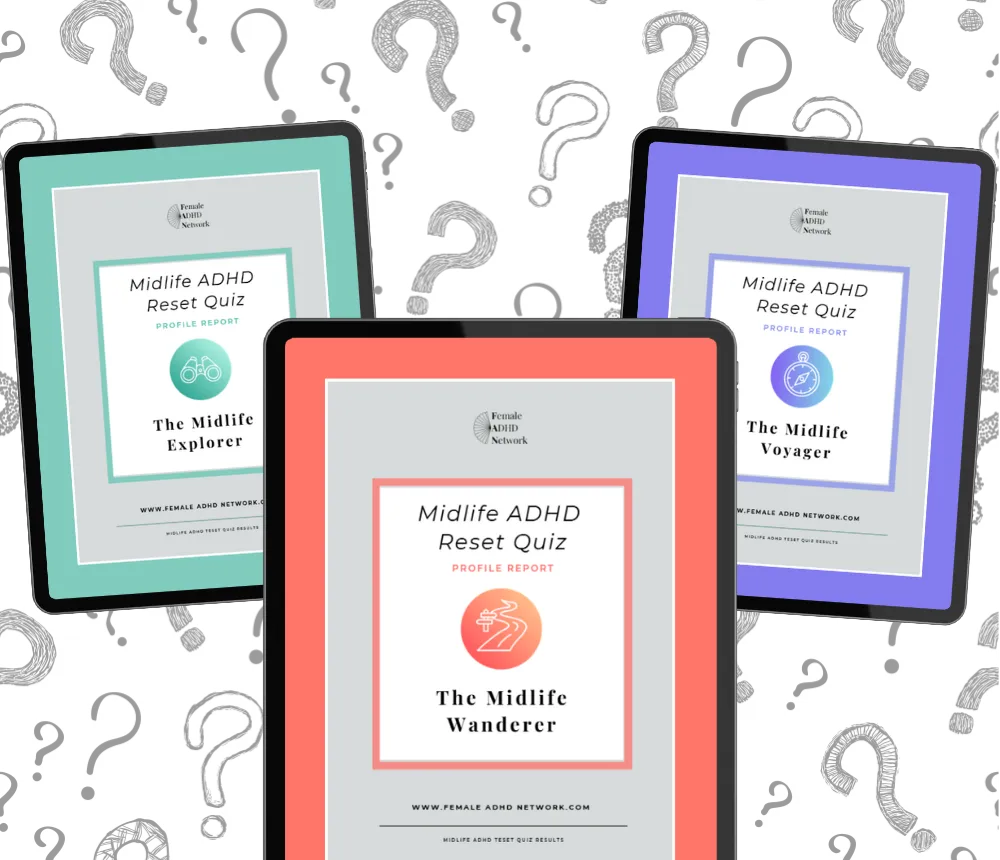
The Midlife ADHD Profile Quiz:
I created this free five-minute quiz to help women make sense of their ADHD experiences and discover what might make everyday life easier. You'll discover which of the three profiles fits you best and receive a tailored, interactive report with practical activities, reflections and AI prompts to help you choose something you'd like to focus on and take a manageable next step.
>> CLICK HERE TO START THE FREE QUIZ <<
More Resources:
ADHD information and diagnosis
NHS: ADHD in adults: https://www.nhs.uk/conditions/adhd-adults/
NICE: ADHD diagnosis and management: https://www.nice.org.uk/guidance/ng87/chapter/recommendations
ADHD UK: Adult ADHD self-screening tool: https://adhduk.co.uk/adult-adhd-screening-survey/
ADHD UK: Right to Choose: https://adhduk.co.uk/right-to-choose/
Getting help and raising concerns
NHS England: Patient choice guidance: https://www.england.nhs.uk/long-read/patient-choice-guidance/
NHS England: Feedback and complaints: https://www.england.nhs.uk/contact-us/feedback-and-complaints/
ADHD and menopause research
King’s College London: Research into ADHD traits and menopausal difficulties: https://www.kcl.ac.uk/news/menopausal-difficulties-increase-in-line-with-the-severity-of-adhd-symptoms